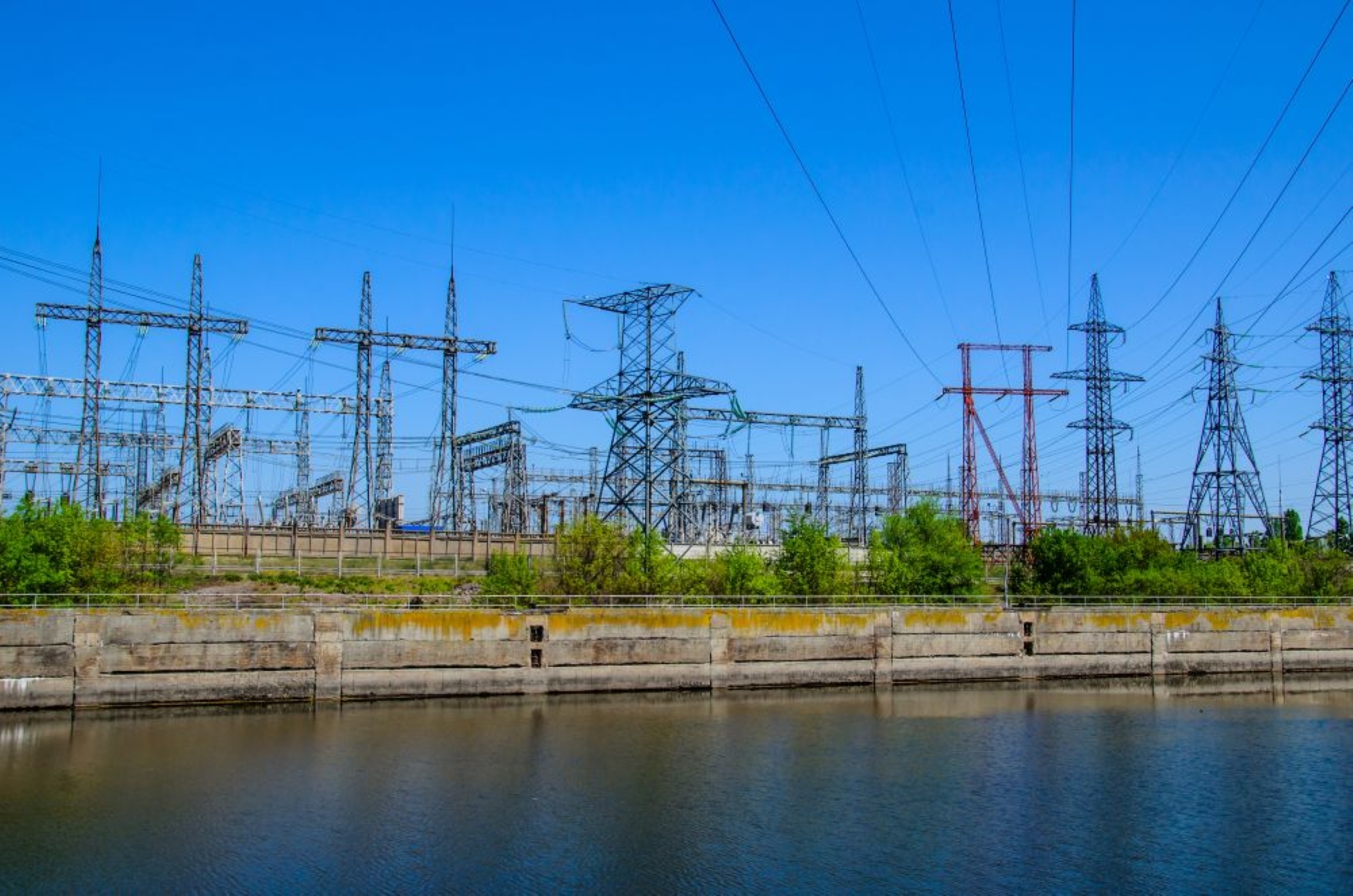
Globally, renewables account for less than one-fifth of TFEC (15%), while electricity represents less than one-third (around 20%) of final energy use.2 This underscores the reality that fossil fuels still dominate large parts of the energy system. Even where progress is more advanced, it is often uneven across sectors, reflecting structural constraints, legacy infrastructure and differing policy priorities.
Crucially, the transition to a renewables-based economy is not only about scaling renewables or increasing electricity use in isolation – rather, it is about aligning both in a way that drives system-wide change. While electrification plays a central role across many sectors, renewables-based solutions beyond electricity also remain important for addressing diverse energy needs efficiently and cost-effectively across end-uses.
In many cases, electrification is advancing faster than the decarbonisation of electricity supply, while in others, renewable energy deployment remains concentrated in power production, without fully transforming energy demand across end-uses. This misalignment limits the extent to which energy systems currently deliver on broader objectives such as energy security, resilience and greenhouse gas emissions reduction. Advancing towards a renewables-based economy therefore requires a more integrated approach, where renewable energy deployment, infrastructure expansion and demand-side transformation evolve together to reshape the entire energy system.
Continued reliance on imported fossil fuels leaves many economies exposed to external price volatility, supply disruptions and geopolitical tensions, whereas expanding renewables and electrification can progressively reduce these risks by anchoring energy supply in more widely available domestic resources. This shift alters the nature of energy dependencies, moving away from dependence on imported fuels from a limited number of suppliers towards systems based on infrastructure, technology, and upfront investment, with lower exposure to fuel price uncertainty. At the same time, a renewables-based system can strengthen long-term resilience by improving the predictability of energy planning, reducing exposure to external shocks and supporting more stable and co-ordinated economic development.
The global energy mix remains dominated by fossil fuels, with renewable energy still representing a relatively limited share of TFEC. In 2024, modern renewables3 accounted for around 15% of TFEC, increasing only gradually from 10% in 2014.4 Absolute renewable energy use has grown over this period, but rising overall energy demand has limited the pace of change in relative terms. This relatively slow progress contrasts with developments in the power sector, where renewables now account for the vast majority of new capacity additions globally, reaching 85-90% in recent years.5
At the same time, fossil fuels continue to represent the largest share of final energy consumption, at around 80% in 2023, with the remainder (after modern renewables) largely comprising nuclear energy and traditional biomass.6 These trends highlight that, despite sustained progress, the global energy system remains structurally reliant on fossil fuels, and that accelerating the uptake of modern renewables across all end-use sectors is critical to shifting the overall energy balance.
Renewable energy uptake differs greatly across end- uses. Over the past decade, the fastest progress has occurred in electricity, with renewables accounting for around 33% of total electricity consumption globally in 2023. By contrast, renewable energy penetration remains much lower in heat and transport fuels, at around 10% and 4% respectively in 2023, highlighting the slower pace of transition in sectors that remain heavily dependent on fossil fuels.
Across end-use sectors, the penetration of renewables remains uneven and generally limited. In transport, renewables accounted for only around 5% of TFEC in 2023, reflecting continued reliance on fossil fuels despite growing electrification and biofuel uptake. In buildings, the share was around 18%, supported by renewable electricity and bioenergy, but constrained by slow transitions in heating and cooling. Industry shows a similarly low level of renewables, at around 19% in 2023, where high-temperature processes and fossil fuel dependence remain significant barriers. In agriculture, renewables accounted for roughly 20% of final energy use, with progress driven by electrification and bioenergy but still at an early stage. These sectoral differences underline that achieving a renewables-based economy will require targeted efforts to accelerate adoption across all demand segments.7
Energy systems are undergoing a gradual but incomplete transformation, with both electrification8 and renewable energy expanding across most economies. However, levels vary greatly across countries depending on resource availability, infrastructure and policy choices. Despite this progress, electricity and renewable energy still account for a small share of final energy consumption in most economies, highlighting the significant transformation still required across.
The relationship between these two dimensions remains uneven and often misaligned. In many large economies, electrification is progressing faster than the integration of renewables, with electricity still largely supplied by fossil fuels, as seen in China (32% electrification, 14% renewables) and the Republic of Korea (36% electrification, 5% renewables).9 Conversely, some countries exhibit relatively high renewable energy shares without fully electrified systems, such as Brazil (47% renewables, 21% electrification) and Denmark (41% renewables, 21% electrification).10 In these cases, high renewable shares are often driven by renewable electricity, bioenergy or renewable heat in specific sectors, while large parts of transport, industry and buildings continue to rely on direct fuel use.
In most cases, both electrification and the deployment of renewables remain below levels required for structural transformation, with electricity typically below one-third of final energy use and renewables below half. Advancing towards a renewables-based economy requires accelerating both dimensions in parallel, ensuring that rising electricity demand is increasingly met by renewable energy sources.
Renewable energy has made significant progress in the power sector, with its share in electricity generation rising steadily across all regions since 2000. Globally, renewables accounted for around 33.7% of electricity generation in 2025, up from less than 20% in 2010.11 Growth has been particularly strong across Europe and Oceania, where renewable energy shares have exceeded 40%, driven by sustained policy support and rapid expansion of wind and solar. Latin America and the Caribbean continue to lead globally, with shares above 60%, due largely to hydropower alongside growing contributions from other renewables.12
Despite this progress, regional differences remain pronounced. Asia and Africa13, while experiencing steady growth, still lag with renewable energy shares below 30%, reflecting rising electricity demand and continued reliance on fossil fuel-based generation.14 These trends highlight both the momentum and the limits of current progress: while the power sector is leading the transition, renewable electricity expansion alone is not yet sufficient to drive system-wide transformation without parallel changes in end-use sectors.
The expansion of renewable energy systems offers a pathway to reduce dependence on energy imports, improve resilience and reshape energy trade dynamics. Current energy trade patterns, covering all energy carriers including fossil fuels and electricity, remain highly imbalanced – with most countries relying on imports to meet domestic demand while a relatively small number of economies dominate global exports.
Energy import dependence is particularly pronounced in Europe, large parts of Asia and many countries in Africa, reflecting limited domestic resource availability, infrastructure constraints and/or rapidly growing demand. In contrast, net energy exports are concentrated in a handful of fossil-rich economies, where fossil fuel production continues to underpin national energy systems and trade balances. This structural asymmetry exposes a large share of the global economy to external supply risks, price volatility and geopolitical disruptions, making energy security a central concern for many countries.15
These patterns highlight a fundamental dimension of the transition to a renewables-based economy. Unlike fossil fuels, which are unevenly distributed and traded globally, renewable energy resources are more widely available and can be developed domestically in most countries. This creates opportunities to strengthen energy security and reduce exposure to fuel price volatility and supply disruptions. At the same time, renewable energy systems rely on global supply chains for technologies, components and certain critical minerals, with manufacturing capacity for several key technologies remaining concentrated in a limited number of countries, particularly China. These dependencies differ from fossil fuel imports in that they are largely associated with upfront investments and industrial supply chains rather than ongoing fuel consumption.
Strengthening renewable energy systems can reduce exposure to external shocks while improving the predictability of energy supply and costs. At the same time, the transition is not only about replacing energy sources. It also requires transforming underlying system dependencies, infrastructure and investment patterns that have long reinforced global economic and power imbalances.
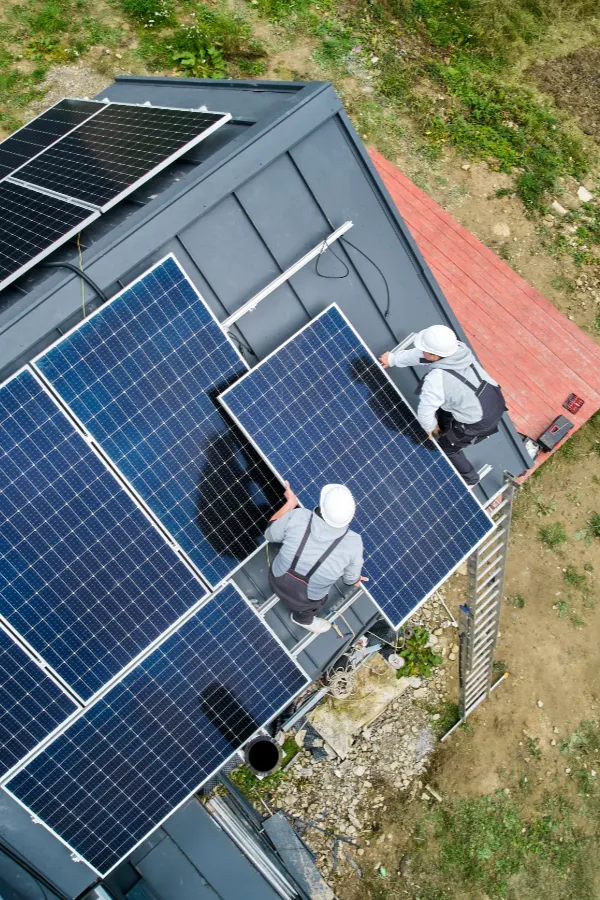
Current assessments of energy security and trade dependencies continue to focus primarily on fossil fuel imports and exports, while the material requirements of renewables-based economies remain comparatively under-tracked. Renewable energy technologies and supporting infrastructure rely on large volumes of materials such as copper, aluminium, steel, lithium, nickel, cobalt, graphite, quartz, and rare earth elements, alongside manufacturing inputs for grids, batteries, electric vehicles, wind turbines and solar photovoltaic (PV) systems. Tracking these emerging material flows and trade will be increasingly important to understand supply chain resilience, industrial competitiveness, trade exposure and resource governance in renewables-based economies.
However, data remain fragmented across mining, processing, refining, manufacturing and trade stages, with limited integration into energy or macroeconomic statistics. Existing metrics often focus narrowly on critical minerals supply, without systematically capturing broader material demand, domestic processing capacity, recycling rates, embodied material trade and value creation across supply chains. Developing clearer definitions and tracking frameworks for transition materials and supporting technologies will be essential to complement traditional energy security indicators and better assess the evolving resource foundations of renewables-based economies.
Renewable power capacity continued to expand in 2025, reaching an estimated 5,655 gigawatts (GW) globally, with annual additions of around 885 GW. Solar PV accounted for the largest share of installed renewable power capacity, reaching around 2,889 GW, with annual additions of around 697 GW. Of these additions, around 59% were utility-scale solar and 41% decentralised or off-grid solar. Wind power installed capacity reached an estimated 1,305 GW globally, while hydropower capacity was around 1,280 GW, with comparatively lower annual additions. Together, solar PV and wind power accounted for most renewable power additions in 2025, reflecting continued growth in variable renewable electricity technologies.16
This growth, however, remains highly concentrated geographically. China continues to account for a dominant share of global renewable power expansion (53% of total additions), particularly solar PV (50%), and a growing share of wind additions (73%). By contrast, deployment in many emerging and developing economies remains constrained by financing costs, grid limitations and weaker industrial capacity, although decentralised solar systems are expanding rapidly in several regions, supported by low-cost solar modules from China that improve energy access and reduce reliance on costly or unreliable grids.
The rapid growth in solar PV and other variable renewables is also exposing broader challenges across electricity systems, where grid infrastructure, storage deployment and system flexibility are often not expanding at the same pace as generation capacity. Sustaining renewable power growth will depend not only on continued investment in generation technologies, but also on accelerating grid modernisation, storage deployment and broader enabling infrastructure, while reducing regional disparities in deployment and manufacturing capacity.

To meet growing electricity demand while accommodating an increasing share of variable renewable energy within it, power systems must expand their capacity and enhance their flexibility.
In 2025, more than 1,600 GW of renewable electricity projects were awaiting connection to the grid, of which around 600 GW were near completion stage.17 For grid-connected battery storage, around 650 GW of capacity was waiting for connection, with 250 GW of this near completion.18 These growing connection queues reflect the increasing pressure placed on electricity systems as renewable energy deployment accelerates, particularly in regions where grid expansion, modernisation, and system flexibility are not keeping pace with new generation capacity.
As the share of variable renewable energy (wind and solar) in electricity systems increases, curtailment19 can rise if grid infrastructure, storage and system flexibility do not expand at a similar pace. However, the disperse data points across countries and over time show that this relationship is not uniform. At similar levels of penetration of variable renewables, curtailment rates can vary greatly, indicating that system outcomes depend strongly on factors such as grid capacity, interconnections, storage availability and operational flexibility.
Countries with more advanced system flexibility, supported by strong grid infrastructure and investment, can accommodate higher shares of renewables with relatively low curtailment, while others experience higher losses at lower penetration levels. This highlights that curtailment is driven primarily by how effectively energy systems are planned and managed, including timely investment in grids,storage, interconnections, digitalisation and demand-side flexibility.20
REN21 has begun expanding its policy tracking to better capture how governments are enabling higher shares of renewable energy through system integration and flexibility. This includes policies and measures related to flexibility markets, storage targets and fiscal or financial incentives for storage, off-taker agreements, solar-compatible tariff design, smart metering, demand-side management and sector coupling. While these areas are increasingly central to renewables-based economies, they are not yet tracked consistently across countries, and definitions, policy categories and implementation details vary widely. REN21 intends to publish an initial policy mapping for contributor review in later iterations of the RBE Tracker, with the aim of refining the methodology, improving comparability and progressively building a more comprehensive evidence based RBE Tracker on policies that support the integration of renewables across power, heat, transport and industry.
Global spending on power grids rose from around USD 323 billion in 2021 to USD 483 billion in 2025, highlighting the continued need to expand and modernise networks.21 Investment increased across all major regions, with the fastest growth occurring in Europe, the Middle East and Africa, driven by renewable integration, electrification and energy security priorities.22 Asia Pacific continued to account for a large share of total spending due to rising electricity demand and rapid grid expansion, while investment in the Americas grew steadily but at slower pace.23
Although a growing number of initiatives provide partial data on electricity networks and cross-border infrastructure, globally consistent tracking of regional interconnections remains limited. Existing platforms such as MapYourGrid, Awesome Electrical Grid Mapping and Electricity Maps offer important insights into grid infrastructure, electricity flows and transmission networks. However, these sources often focus on physical infrastructure or operational electricity data rather than systematically tracking regional interconnection strategies, enabling policy frameworks, investment plans, permitting processes, institutional co-ordination and implementation progress across countries and regions.
Data coverage also remains uneven, particularly in emerging and developing economies, where transmission and cross-border infrastructure data are often incomplete or unavailable. As renewables-based systems increasingly rely on interconnected grids and regional co-ordination to balance supply and demand, stronger monitoring frameworks and more harmonised global datasets will be needed to assess the pace, scale and effectiveness of regional interconnection development.
Battery storage continued its exponential growth in 2025, with more than 100 GW of stationary capacity added during the year, most of it utility-scale battery energy storage systems (BESS).24 The rapid deployment of battery storage, driven by continuous price decreases over the past decade, led the total global stationary energy storage capacity (including pumped storage hydropower) to rise from around 260 GW in 2023 to nearly 470 GW in 2025.25U Utility-scale BESS capacity nearly quadrupled over the period – rising from around 59 GW in 2023 to more than 212 GW in 2025 – highlighting the growing role of batteries in supporting renewable electricity integration and power system flexibility.26
In the context of record electric vehicle sales, mobility continued to represent the largest source of battery demand globally, with transport-related battery deployment remaining several times larger than stationary applications.
As renewables continue to expand in the power sector, electrification becomes essential for extending their use in additional end-use sectors, through technologies such as electric heating and cooling, transport and industrial processes. 27 Indicators such as the electrification of end-uses help measure the extent to which energy demand is shifting towards electricity. Tracking electrification provides insights on how to reduce overall energy demand through more efficient energy use, increase the role of renewable electricity in end-use sectors and assess whether infrastructure, system flexibility and policy frameworks are evolving to support this transition.
As of 2023, the highest share of end-use electrification was in the buildings sector (heating, cooling and appliances), whereas electrification of transport remained marginal despite rising electric vehicle sales.28 At the same time, electricity demand is expected to increase greatly due to the expansion of data centres, digital infrastructure and artificial intelligence applications, as well as rising living standards, urbanisation and growing demand for cooling in emerging and developing economies. These trends are already influencing energy markets, with big technology companies increasingly signing power purchase agreements with renewable energy developers, reinforcing the need for rapid renewable power deployment, grid expansion and greater system flexibility.29
Electric mobility is scaling rapidly, with both sales volumes and market shares increasing across all major regions. Global electric car sales grew more than tenfold between 2018 and 2025, reaching over 20 million units annually. China remains the biggest market, accounting for around 60% of global electric car sales in 2025, followed by Europe (20%) and the United States (10%), while growth is also accelerating in the rest of the world. Within regions and countries, electric vehicles are capturing a growing share of total new car sales, including an estimated 55% in China, 28% in Europe, and 11% in the United States – pushing the global average to around 25%. Although adoption remains uneven, all regions show a clear upward sales trajectory.30
Electrification is also expanding beyond passenger cars to buses and commercial vehicles. China remains the dominant market for electric buses and trucks, accounting for around 60% of global electric bus sales and more than 90% of electric medium-and heavy-duty truck sales in 2025. Electric buses represented around 60% of China’s total new bus sales that year, and electric truck deployment has accelerated rapidly in the country, supported by industrial policies, charging infrastructure expansion and lower operating costs. Europe is the second largest market for electric buses, reaching sales shares above 12% in 2025. In the United States, electric truck deployment is also increasing, particularly in freight and logistics fleets, although market shares remain comparatively low.31
Global liquid biofuel production has resumed strong growth in recent years, reaching nearly 200 billion litres in 2024 after a decline during 2019-2021. This increase is driven by stronger policy mandates and blending requirements across major and emerging markets. Growth in the United States has been supported by the rapid expansion of renewable diesel, while Brazil has increased ethanol production and Indonesia has expanded biodiesel output through higher blending mandates. Rising demand for low-emission fuels in transport, alongside higher fossil fuel prices and energy security concerns, has further supported uptake.
The deployment of electric heat pumps is expanding across major markets, with distinct regional patterns. China has shown steady growth in heat pump sales – nearing 40 GW in 2024 and 2025 reflecting strong policy support and integration into electrification strategies. In contrast, Europe and the United States display more volatile, policy- and market-driven trends, with fluctuations in annual sales despite overall growth. These differences highlight the rising role of heat pumps in decarbonising heating and cooling, while underlining the continued influence of policy frameworks and market conditions on adoption.
Although electrification through technologies such as heat pumps and electric vehicles is a central pillar of the transition towards renewables-based economies, electrifying all end-uses is neither technically necessary nor always the most efficient pathway for integrating renewables across the energy system. Direct renewable heat applications, particularly solar thermal and geothermal energy, also play a growing role in decarbonising buildings, industry and district heating networks. These technologies can provide renewable heat directly, avoiding additional conversion losses and reducing pressure on electricity systems, grids and storage infrastructure.
Solar thermal technologies remain an important source of renewable heat globally, particularly for water heating, district heating and industrial processes. China continues to dominate the global solar thermal market, accounting for the majority of installed capacity worldwide, while Türkiye, India, Brazil and several European countries also maintain significant markets. In parallel, large-scale solar thermal systems for district heating and industrial heat applications have continued to expand in Europe and China.32
Geothermal energy plays an important role in direct renewable heat applications, particularly in district heating and buildings. China remained the global leader in geothermal heating in 2024-2025, with geothermal space heating serving an estimated 808 million square metres. Iceland, Türkiye, New Zealand and several European economies also rely heavily on geothermal resources for heating and industrial applications. Unlike variable renewable electricity technologies, geothermal systems can provide stable baseload heat, making them particularly valuable for continuous heat demand.33
Despite their growing role, direct renewable heat applications remain underrepresented in many energy transition strategies, which often focus mainly on electrification and renewable power deployment. Expanding solar thermal and geothermal energy will be important to accelerate renewable energy uptake across buildings and industry while supporting more balanced and efficient energy system development.
Tracking renewable energy use in industry remains fragmented and incomplete at the global level. While sector-specific initiatives and databases such as the Mission Possible Partnership provide valuable insights into industrial decarbonisation projects and the adoption of low-emission technologies in sectors such as steel, cement and chemicals, no comprehensive global database currently exists to systematically track renewable energy use across industrial activities.34
Existing datasets often focus on industry emissions, energy efficiency, technology deployment or individual projects, rather than measuring the full contribution of renewable electricity, renewable heat and renewable fuels in industrial energy demand. Coverage also varies greatly across regions and industrial sub-sectors, with limited visibility on smaller-scale applications and emerging economies. As industry represents one of the largest and most difficult sectors to decarbonise, improving data availability and harmonising methodologies will be essential to assess progress towards renewables-based industrial systems and to identify remaining gaps and opportunities.
Tracking national policies targeting renewable energy integration across demand sectors offers a practical lens to assess where ambitions are being translated into implementation and where gaps remain.
As of 2025, 136 countries had national policies35 targeting the integration of renewables in at least one of four main energy demand sectors: agriculture, buildings, industry and transport.36 Only 17 countries had policies in place covering each of these four sectors.37 Fiscal and financial incentives remained the most common policy instrument to incentivise the adoption of renewables and enabling technologies such as electric vehicles and heat pumps.38
The transport sector, although the lowest in terms of renewable energy shares, accounted for by far the largest number of policies for the uptake of renewables among those identified, followed by the buildings and industry sectors; in contrast, very few policies targeted the integration of renewables in the agriculture sector.39
Policies for the uptake of renewables in end-use sectors mostly target electrification (through the adoption of electric technologies such as heat pumps, electric vehicles and solar irrigation), as well as the installation of distributed renewable energy generation (such as rooftop solar PV). In the transport sector, the adoption of biofuels is widely promoted through blending mandates.40
Long-term cross-sectoral planning includes diverse forecasting and planning tools and policies, such as long-term energy transition scenarios, wider decarbonisation plans (e.g. National Energy and Climate Plans, Nationally Determined Contributions), and policies for sectoral integration and infrastructure development. To strengthen this holistic view, it is important to also consider electrification targets for end-use sectors and, where available, energy savings and energy efficiency goals, as these are central to transforming demand in agriculture, buildings, industry and transport.
Focusing targets on the share of renewables in the overall energy mix is crucial because it reflects how deeply renewables are replacing fossil fuels, capturing real progress towards system-wide transformation.
As of 2025, 169 countries had renewable energy targets in place, expressed as a share of total energy consumption.41 42 Among these, 91 countries had targets for renewable energy shares in total final energy consumption.43 Most of the countries (124) had targets addressing renewables in electricity, whereas targets for renewables in fuels (30 countries) and heat (28 countries) remain largely overlooked.44
This first edition of the RBE Tracker does not include a systematic review of countries’ energy plans to assess the extent to which they are cross-sectoral, or a review of the policies supporting their implementation. Future editions will examine these plans in greater depth and report back on findings.
Research shows that when long-term energy planning45 is co-ordinated across sectors and stakeholders, energy scenarios and plans are more comprehensive, capturing both infrastructure needs and end-use transformations such as electrification, energy efficiency and the integration of renewables. However, analysis of long-term energy scenarios and low-emission development strategies points to significant variation across countries. Planning documents produced by integrated or multi-ministerial bodies score higher on comprehensiveness across energy transition elements, and strategies co-ordinated across energy and climate institutions tend to cover end-use sectors more thoroughly; this suggests that the institutional architecture behind energy planning matters as much as its technical content.46
Integrating energy planning with wider economic priorities reduces blind spots and enables more coherent policy making.
.webp)








.svg)
.svg)