Renewables-Based Economy Tracker  

Track the status of the renewables-based economy across four dimensions.

Last updated: 18 June 2026

Tracking renewables-based economies means looking beyond deployment alone.

The RBE Tracker helps assess how renewable energy is reshaping systems beyond the power sector, highlighting progress, structural barriers and broader economic, environmental and social impacts. It explores how economies, infrastructure and societies are evolving through interconnected energy systems.
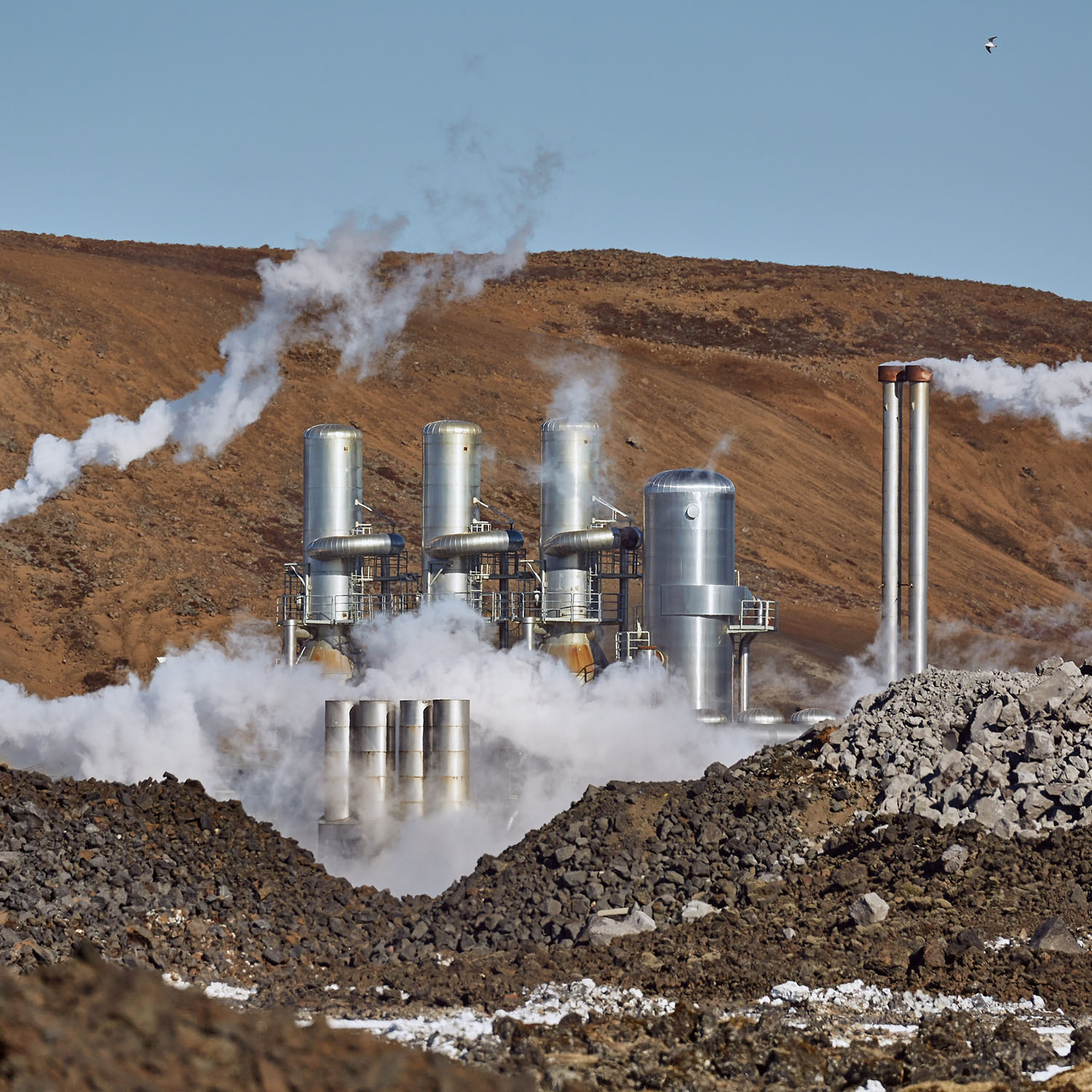
Energy Systems

Energy Systems & Security

Tracking the transition from fossil fuel dependence to integrated renewable energy systems.

15%
of total final energy consumption was provided by renewables in 2023
80%
of total final energy consumption is still provided by fossil fuels
north_east
33%
of global electricity generation came from renewables
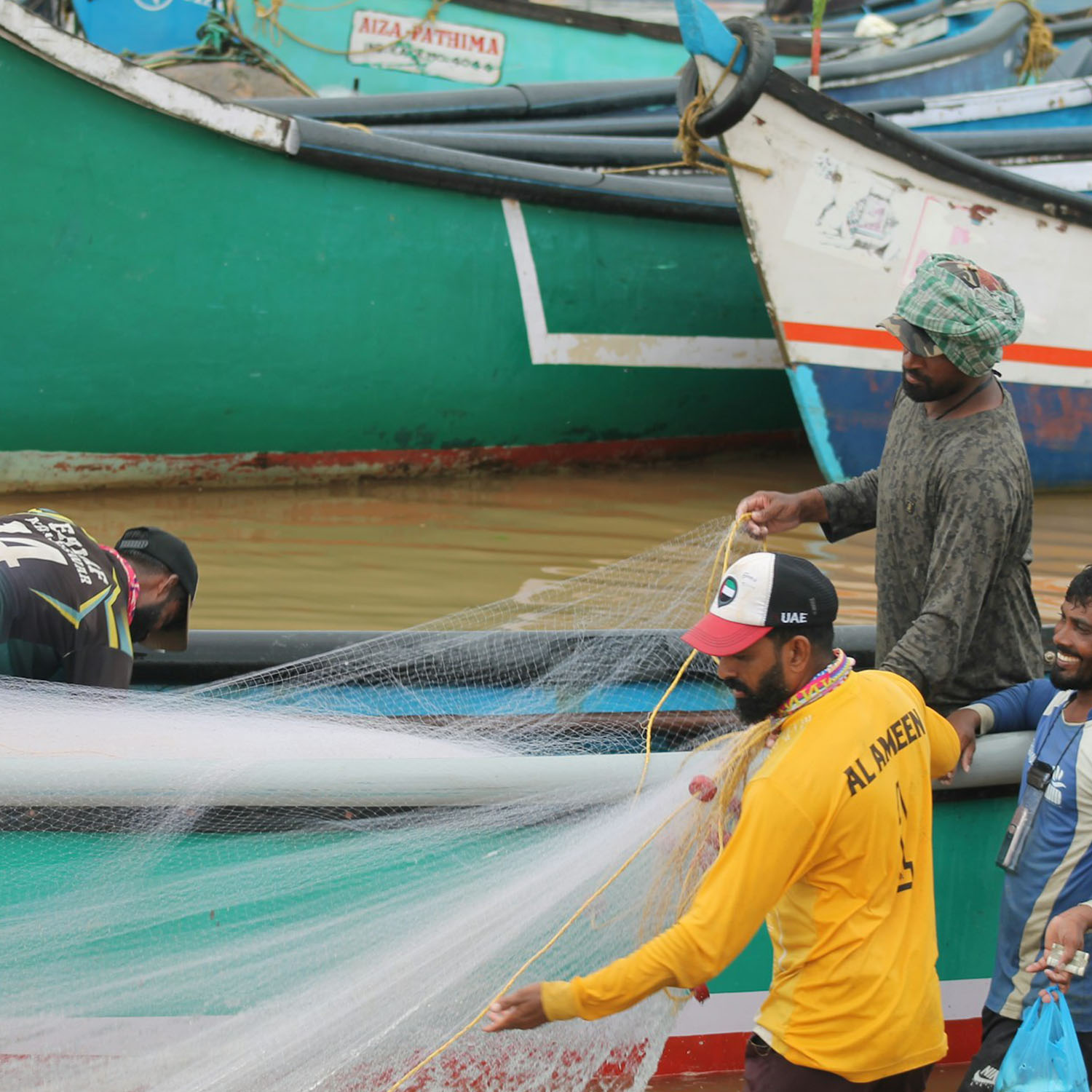
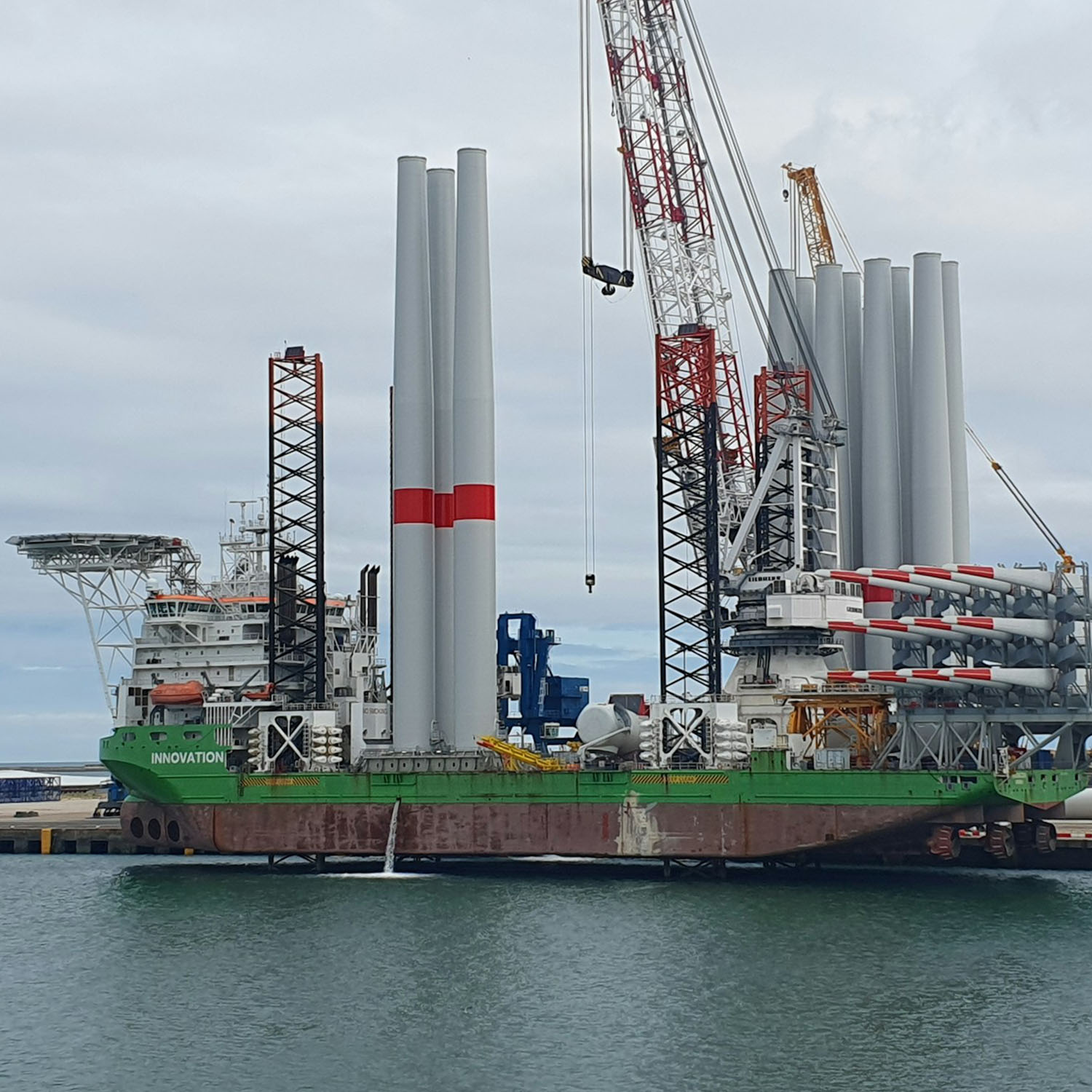
Economy

Economy

Tracking how renewable energy drives investment, industrial development and value creation.

north_east
16.6M
global renewable energy jobs
north_east
690B
USD invested in renewable energy in 2025
20%
of global energy jobs are in renewables
Society

Society & Governance

Tracking how renewables-based economies influence energy access, affordability, participation and quality of life.

69
countries still lack universal access to electricity
120M
households in advanced economies spent more than 10% of income on heating and cooling.
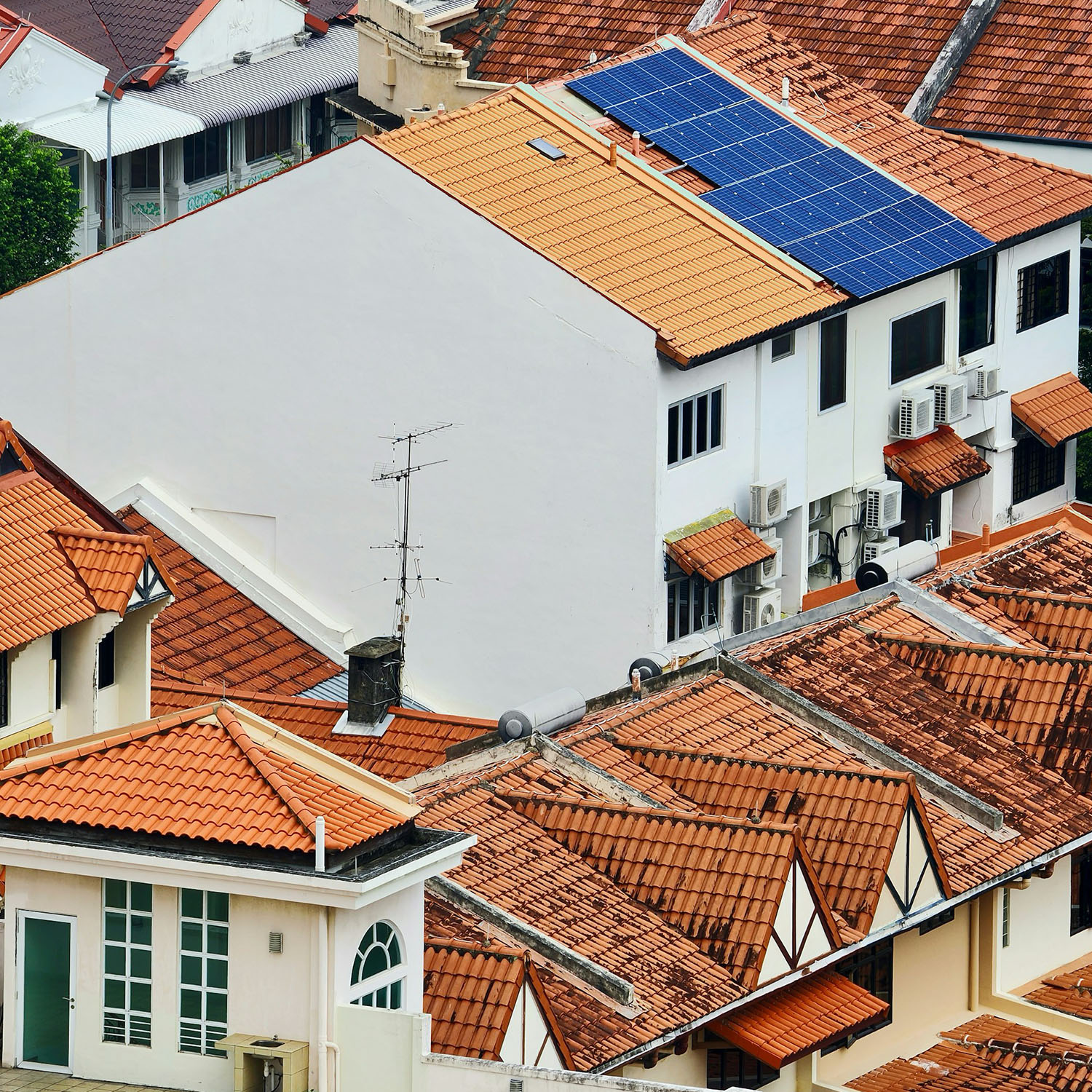
286 GW
distributed solar PV capacity installed globally in 2025
Environment

Environment & Climate

Tracking how renewables-based economies influence emissions, resource use, resilience and environmental outcomes.

north_east
+15%
growth in global CO₂ emissions since 2010 
90%
climate plans reference renewables
22
countries have circularity and recycling policies for renewable energy technology

Read our methodology

The RBE Tracker combines data, expert review and collaborative inputs to build a more systemic understanding of renewables-based economies.

Built through crowd-sourced and crowd-owned data and insights

The RBE Hub is shaped by researchers, governments, industry associations and civil society organisations contributing data, analysis and expertise from around the world.

We use cookies on this site to enhance your user experience. By clicking the Accept button, you agree to us doing so. Terms of Service
cookie